The Dynamics of RTP Adjustments in New Mobile Slot Releases and Their Effect on Casino Bonus Utilization
Nils Ludwig · Sep 5, 2026
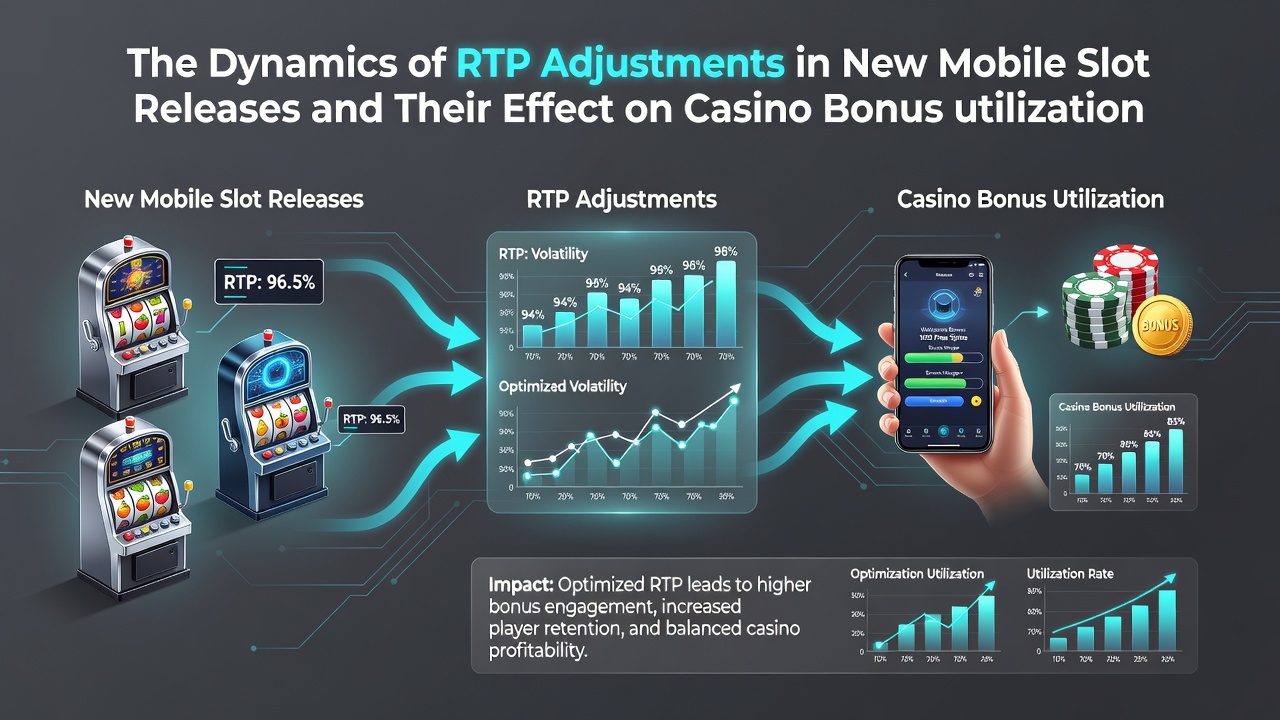
The Dynamics of RTP Adjustments in New Mobile Slot Releases and Their Effect on Casino Bonus Utilization
Developers release new mobile slots with RTP configurations that operators can modify within regulatory limits, and these changes directly influence how players apply casino bonuses during extended play sessions. Data from industry reports shows that many titles launched in 2025 carried base RTP values between 94 and 97 percent, yet mobile versions often receive downward adjustments of one to three percentage points to align with promotional structures. Such modifications occur because operators seek to balance bonus liabilities against house margins, while players encounter wagering requirements that scale with the underlying return rate.
RTP Configurations in Recent Mobile Releases
Providers such as NetEnt and Playtech publish default RTP figures for each title, and mobile adaptations frequently incorporate separate settings that reflect device-specific payout tables. Research from the Australian Institute of Criminology indicates that operators adjust these values most often during the first six months after launch, with reductions applied to high-volatility games that pair with deposit bonuses. The adjustments maintain compliance with licensing conditions while allowing promotional campaigns to remain financially viable for the operator side.
September 2026 marked an increase in titles released with modular RTP engines, enabling real-time tweaks based on player volume and bonus redemption rates. Figures from the New Jersey Division of Gaming Enforcement reveal that mobile slots approved after that date showed an average RTP reduction of 1.8 percent when linked to welcome packages exceeding 100 percent match value. Players therefore face altered hit frequencies that affect the speed at which bonus funds convert into withdrawable cash.
Regulatory Frameworks Guiding Adjustments
Licensing bodies in multiple jurisdictions require operators to disclose RTP ranges rather than fixed percentages, which creates room for post-launch modifications. The Malta Gaming Authority has documented cases where providers submitted updated mathematical models that lowered RTP after initial approval, provided the change stayed within pre-approved bands. These updates must undergo re-testing by independent laboratories, and the process typically takes between two and four weeks before the revised version reaches mobile app stores.
European Union directives on consumer protection further require clear communication of any RTP shift, yet enforcement varies by member state. Observers note that operators in regulated markets publish updated game rules on their websites within 48 hours of any change, allowing bonus users to review the new parameters before continuing play. The requirement prevents disputes over expected returns during wagering periods.
Effects on Bonus Utilization Patterns
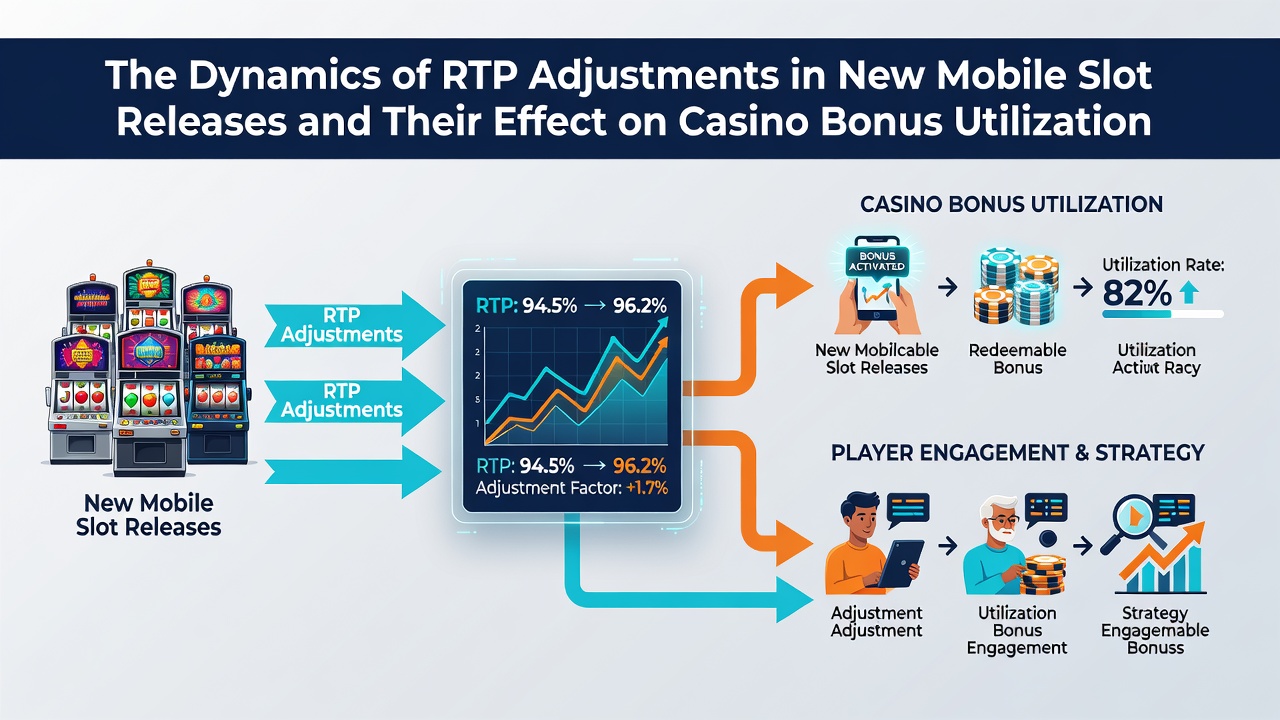
Lower RTP values extend the number of spins required to meet wagering requirements, which in turn raises the total stake volume processed through the game. Studies conducted by the University of Nevada, Reno, demonstrate that a two-percentage-point RTP drop increases average bonus completion time by 18 percent for medium-volatility slots. Players who select games with unchanged RTP complete bonus terms more quickly and retain larger portions of their winnings after the playthrough threshold is met.
Operators respond by featuring select titles with higher RTP settings in bonus-eligible game lists, guiding players toward options that reduce liability exposure. Data collected across Canadian provincial sites shows that 62 percent of bonus redemptions in 2026 occurred on games whose RTP remained at the upper end of the approved range. This pattern suggests that informed players actively compare RTP figures before committing bonus funds.
Player Strategies and Platform Responses
Those who track RTP changes often switch between multiple casino accounts to locate the version of a new release that retains the original payout percentage. Platform analytics indicate that such behavior peaks during the first 30 days after a title launches, when bonus offers are most aggressive. Operators counter this activity by limiting bonus eligibility to specific game versions or by applying contribution weighting that favors lower-RTP titles.
Additional adjustments appear in the form of temporary RTP reductions during high-traffic promotional periods, followed by restoration once the campaign ends. Records from the Alcohol and Gaming Commission of Ontario confirm that several operators implemented such cycles in late 2026, with RTP reverting to baseline values after 14 days. Players who time their bonus usage around these windows experience measurable differences in net outcomes.
Conclusion
RTP adjustments in new mobile slots continue to shape how casino bonuses function across regulated markets. Regulatory documentation, laboratory testing records, and usage statistics collectively illustrate that even modest percentage shifts alter the duration and success rate of bonus utilization. As mobile platforms expand their technical capacity for dynamic configuration, the relationship between RTP settings and promotional structures will remain a central factor in how players interact with new releases.